
Main content:
Different types of steel have their own unique properties, but there's no such thing as a one-size-fits-all material. The kind of steel you choose for knife making depends on how you plan to heat treat it.
Specialty steel, high-carbon steel, white steel, tungsten steel, drill steel all these materials are good in their own right, but their element composition varies, making them suitable for different applications.
These steels are fine, but they aren’t ideal for full hand heat treatment.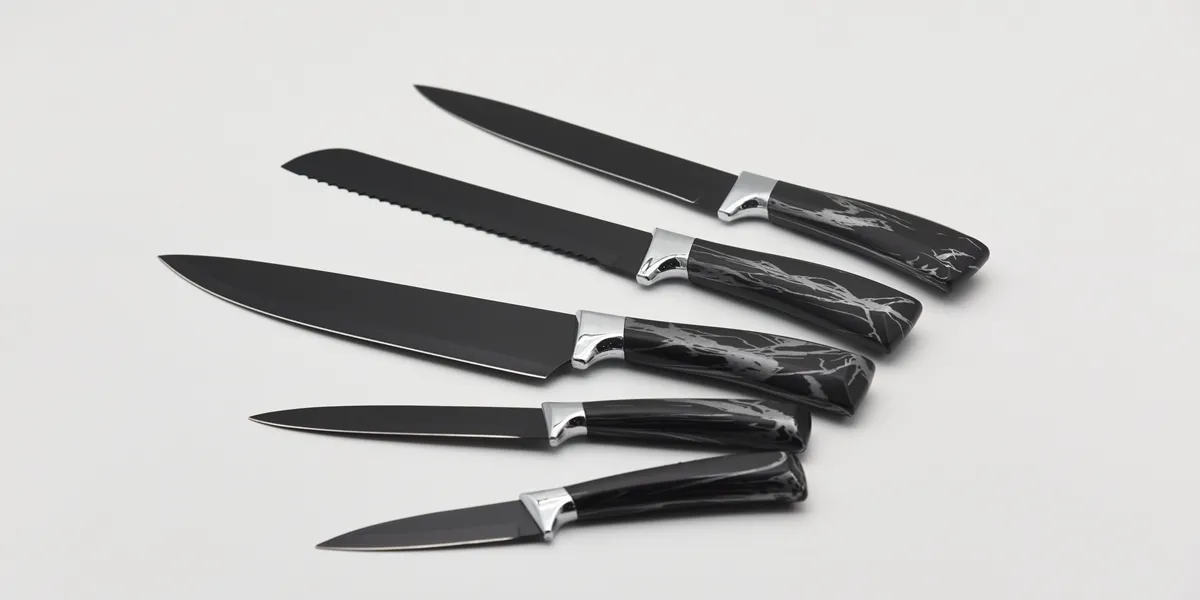

The hardness of knives is typically measured using the Rockwell C scale (HRC), which tests the object by pressing a diamond into it—shallow depth means greater hardness. A knife’s hardness shouldn’t just be as high as possible; it should fit its intended use. The heat treatment process isn't as mysterious as it seems; achieving hardness isn't difficult.
Don't Chase Hardness Blindly:
Don’t blindly pursue hardness or think that it’s the ultimate indicator of quality. A good knife should typically have a Rockwell hardness between 50 HRC and 60 HRC. In simple terms, while higher hardness improves wear resistance, it also increases brittleness—the maximum desirable hardness is generally around 60 HRC. A good knife or sword should strike a balance between hardness and toughness to meet high standards.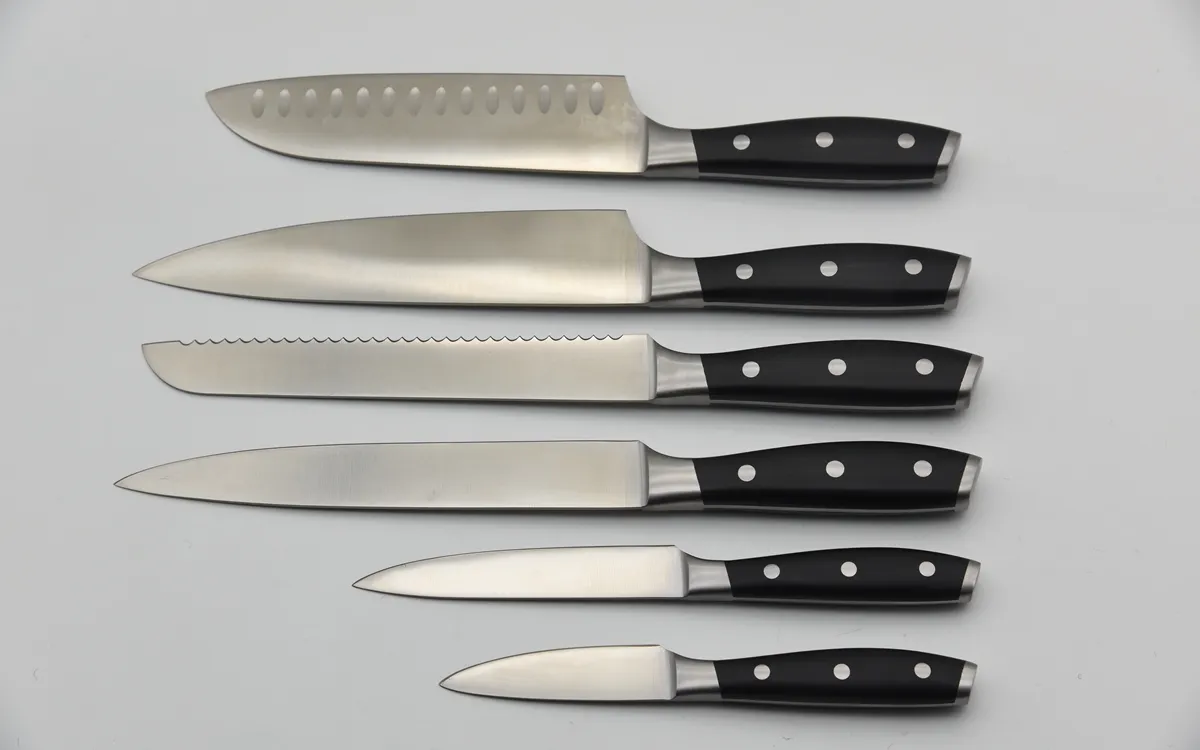
Toughness refers to a material's ability to absorb energy and resist breaking under impact. There is a trade-off between hardness and toughness; as hardness increases, brittleness also increases, while greater toughness typically corresponds to a softer material. A good knife or sword is one that maintains toughness within an optimal range based on its intended use.
The sharpness of a knife is perceived as the less force required to cut through something. Given similar friction coefficients on the blade surface, sharpness is entirely determined by the geometry of the cutting edge. The smaller the angle of the edge, the sharper it is. New razors are often able to achieve a level of sharpness where they can "cut hair". However, tools like razors, designed for one-time use, have extremely thin edges and are not suitable for combat knives due to their lack of required hardness. Generally, the sharpness of a knife or sword is tested on materials like towels, chopping through grass, or bamboo to demonstrate its performance. While being overly sharp can make a blade less durable, high-quality steel with a dense structure and excellent grinding techniques can achieve extremely thin edges and superior sharpness.
This relates directly to the longevity of the knife’s sharpness. The more wear-resistant a knife is, the longer it can maintain its sharpness. However, harder, wear-resistant knives are often more challenging to sharpen. For instance, chromium-containing steels provide better rust resistance and wear performance, but this often results in lower hardness, making them more suitable for non-sharpened fitness equipment. Regardless of the material or hardness, knives will eventually dull with use. The level of wear resistance also depends on forging and heat treatment, often referred to as 'steel quality'. A knife made from high-quality steel will sharpen better even after the edge is damaged. Conversely, some high-hardness knives (over 60 HRC) may suffer irreparable edge damage, leading to edges prone to chipping, making them essentially disposable products with great performance but poor steel quality, thus lacking any collectible value. Some people erroneously consider themselves experts, believing that all knives can be resharpened with a grinding wheel.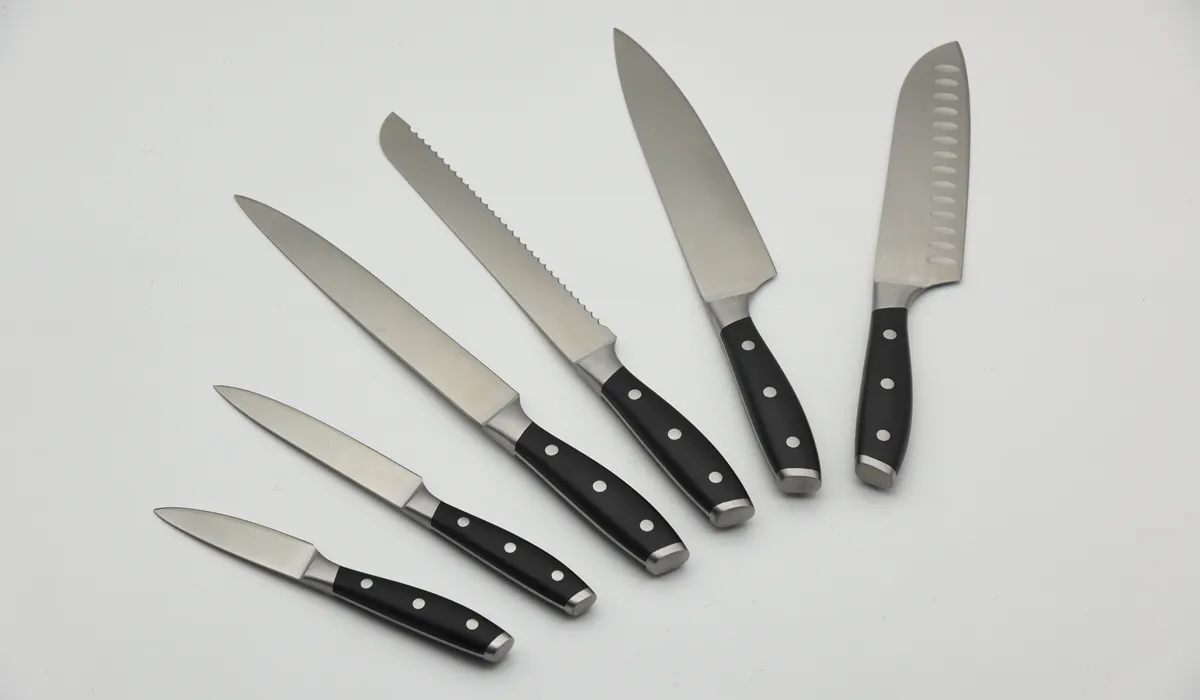
Regardless of the steel's hardness, all blades will dull with use. The quality of the forging and heat treatment affects the - 's longevity and sharpness. Some knives, despite high hardness ratings, may become unusable if damaged due to poor craftsmanship. Be wary of those who claim every knife can be sharpened without considering the material's limits.


